

How to Draw Signs and Lettering in Your Urban Sketches
Plain letters first, chunky letters second, and always check the spelling.
Read more →Tips, inspiration and stories from the world of urban sketching with artist and educator Ian Fennelly.
Plain letters first, chunky letters second, and always check the spelling.
Read more →
Perspective does most of the work in a street and almost none of it in a field. Here is what Ian does instead, and the four ways he separates a foreground from a background.
Read more
The lessons that came back again and again from the hardest scene we have set.
Read more
Most sketchers move straight to a new subject. Here is what the second attempt gives you that the first cannot.
Read more
Urban sketching is about what you notice, not where you sketch. A photograph takes some of that out, and you can put it back.
Read more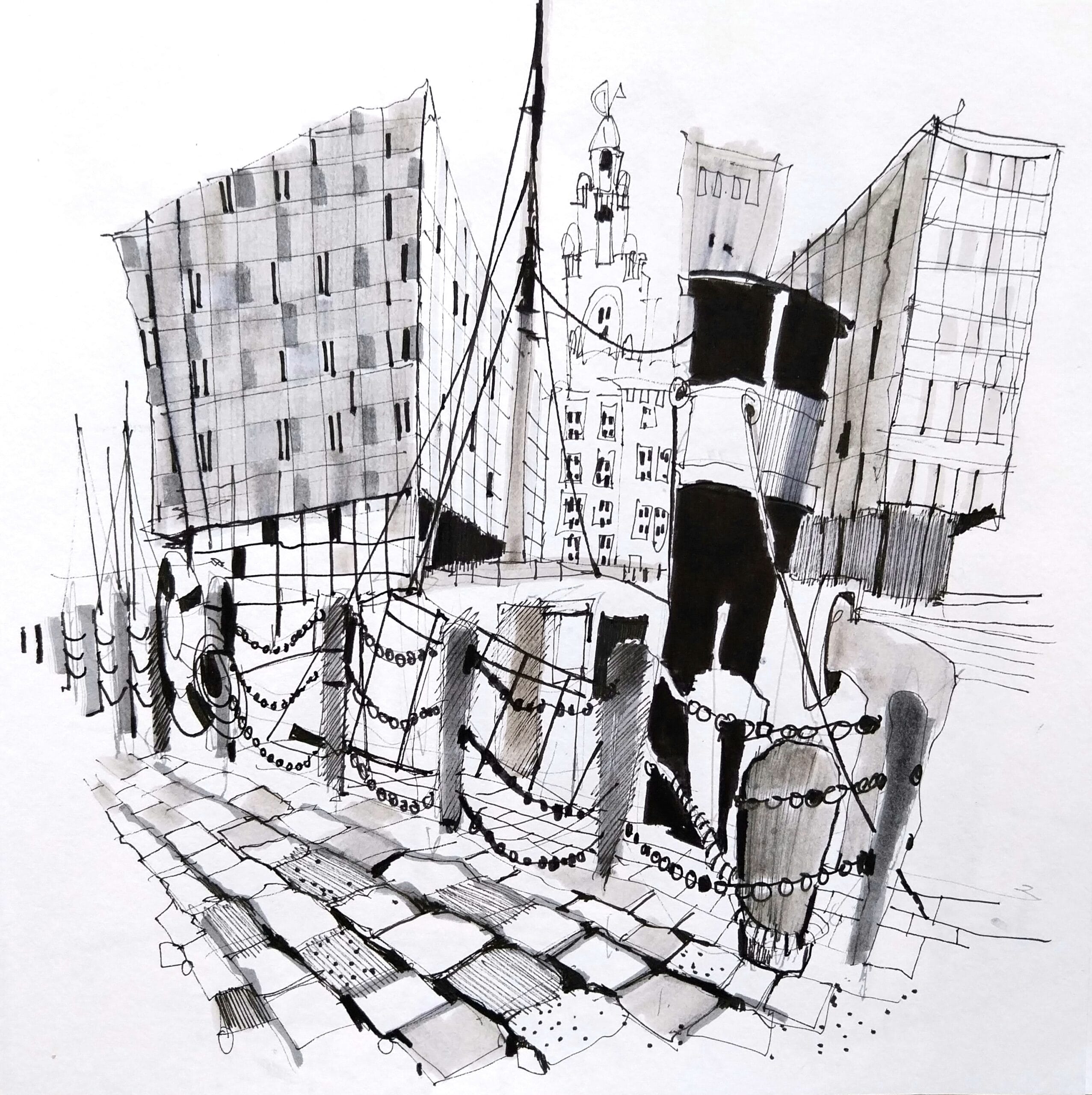
Why your quickest sketches often have the most life, and how to loosen up.
Read more
Five days, five villages and sketchers from around the world. Here is what we took from the Cheshire retreat.
Read more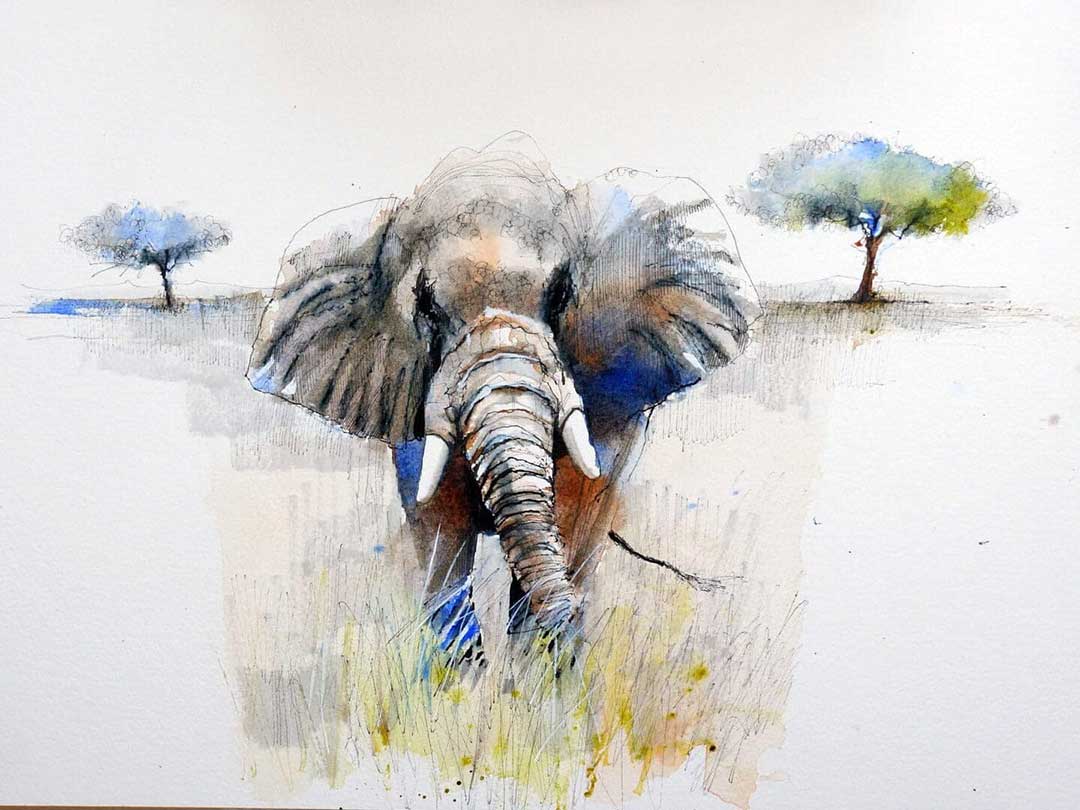
Animals move, and for a lot of sketchers that is where the sketchbook closes. Here is how Ian catches the life of a subject that won't hold a pose.
Read more
All that steel, stone and perspective can make a bridge feel impossible to draw. It isn't. Here's how Ian approaches any bridge, from a local footbridge to the Brooklyn Bridge.
Read more
Learn when to mix watercolour on the page for life and when to mix in the palette for control, with real examples from our urban sketching courses.
Read more
The Only Watercolours a Beginner Really Needs
Read more
How to find the big shapes hiding beneath all the detail.
Read more
Most of us draw with a pen and colour with a brush. Here is how Ian draws with the brush too, the rigger he reaches for, and why it loosens everything up
Read more
Muddy watercolour is rarely about your paints. Here is why it really happens, and how to keep your colour fresh.
Read more
How to Sketch a Scene That Won't Sit Still
Read more
Flat drawings usually have one thing missing: perspective. Here's how Ian teaches it on a steep cobbled slipway in an old smuggling village.
Read more
A sketching retreat ends and the hard part begins: keeping it going at home. Real takeaways from Urban Sketch Course members, plus a simple way to make the lessons stick.
Read more
Seven Days of Colour, Community, and Confidence Across the Mediterranean
Read more
You don't need to travel far to find five completely different subjects. You need to know how to look.
Read more
What Makes Sketch Italy Different from Any Course We Have Done Before
Read more
Why tonal value, not hue, is the secret to sketches that actually hold together – and how three colours can do the work of fifteen.
Read more
Learn how to pick the right scene and avoid overwhelming subjects with practical urban sketching composition tips.
Read more
Wales or New York? Beginners or Quick Sketch? A friendly guide to choosing the urban sketching course that suits you.
Read more
Your high street is full of extraordinary sketching subjects hiding in plain sight. Learn how urban sketching transforms the ordinary into something gorgeous.
Read more
This article reveals why the very things that make old pubs charming – the sagging timbers, faded signs, hanging baskets, and chalkboards – are exactly what make them such forgiving and satisfying sketching subjects that are perfect for beginners.
Read more
Every building you walk past is full of signposts and junction boxes. The only difference between them is whether you have learned to tell which is which.*
Read more
One Point, Two Point and Three Point Perspective Explained
Read more
A simple guide to the rigger, flat and round brushes used in urban sketching, and how each supports washes, detail and water control.
Read more
A sketch critique helps because it shows you what you cannot easily see for yourself while you are drawing. A fresh set of eyes can spot the small adjustment that makes the whole sketch feel clearer, calmer, and more convincing.
Read more
Using just two colours and white might sound limiting, but it can transform your sketches. A limited palette helps you focus on tonal values, create better neutrals, and reduce perfectionism by simplifying your colour choices.
Read more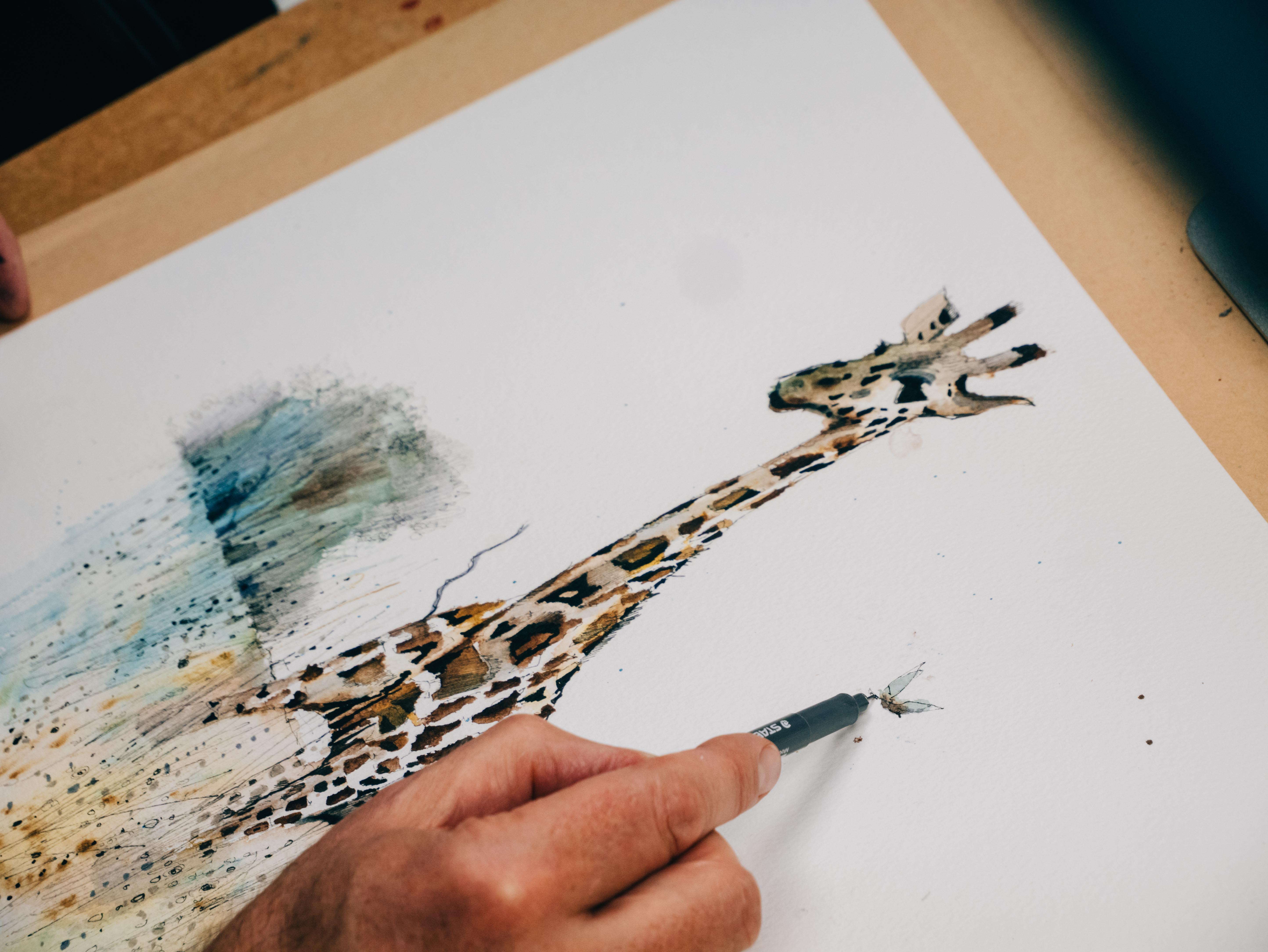
Learn how the Safari Sketch Course differs from Urban Zoo by placing animals within their landscapes, not in isolation.
Read more
How each workshop builds better sketching decisions through control, context, and character.
Read more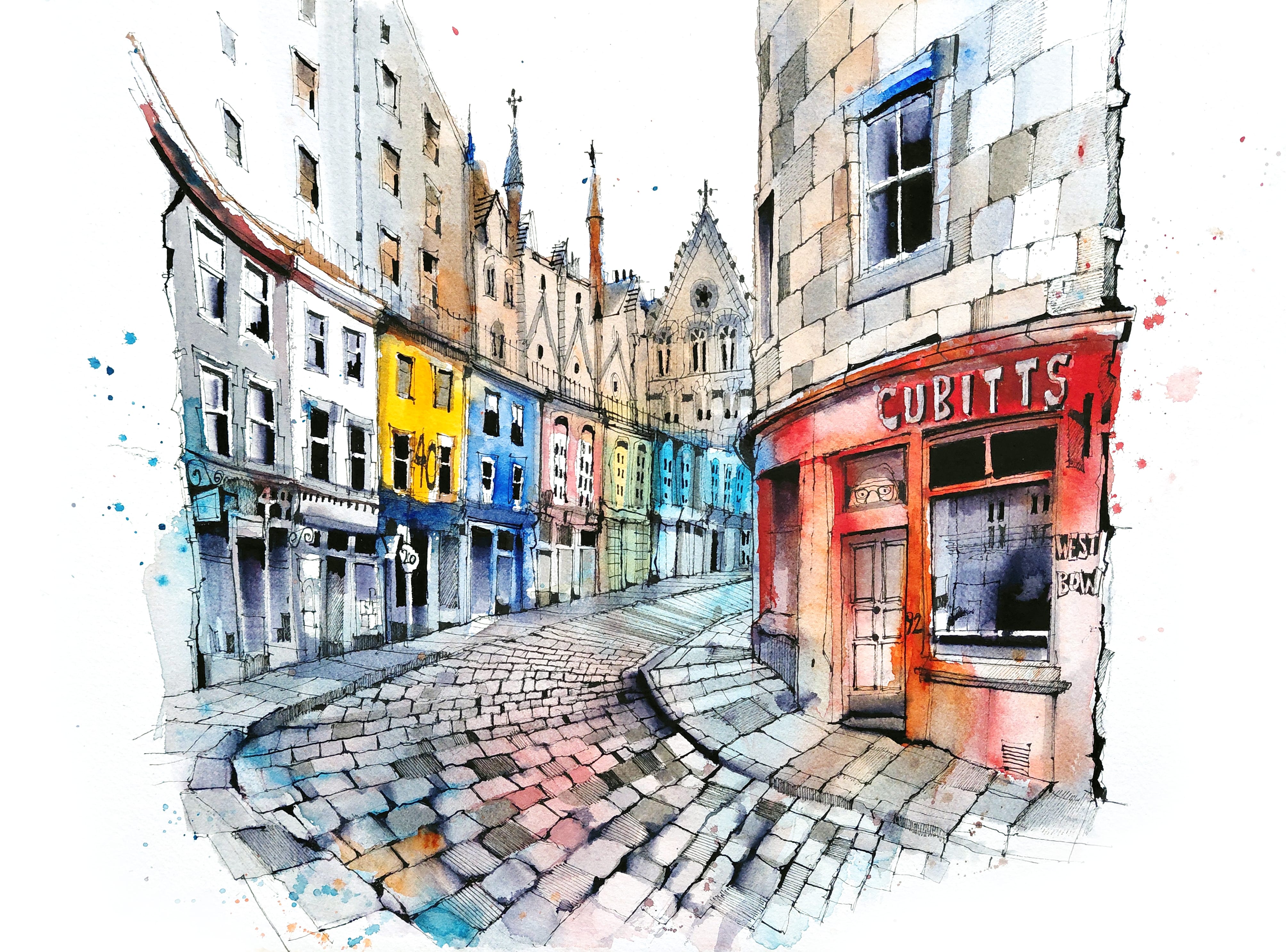
Four weeks, one plan. Outline, colour, tone, detail. Key lessons and student insights from our live sketching experience.
Read more
Why do my Tombow brush pens leave streaks? There is a familiar moment when you reach for a grey brush pen. The drawing feels settled. The lines are behaving. The watercolour has dried nicely. You are only trying to add a little weight, a little calm. Then the tone does not behave as expected. Instea
Read more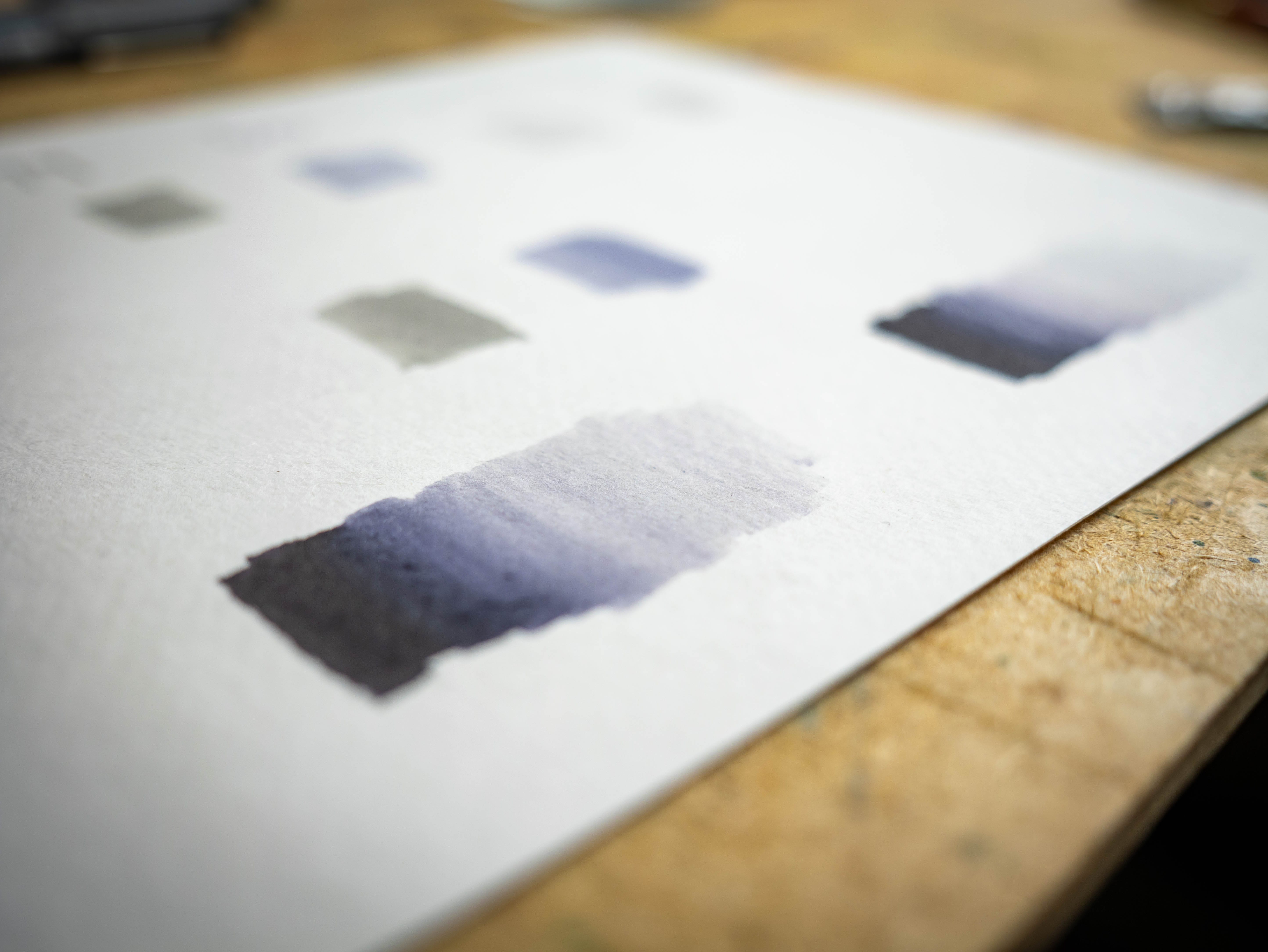
Using Tone, Temperature, and Visual Variety
Read more
Struggling to make time for urban sketching? Learn how even 10 minutes a week can boost confidence, build habits, and reconnect you with your creativity.
Read more
Struggling with muddy or overworked watercolours? Learn a softer watercolour brush technique inspired by Ian Fennelly and practise it step-by-step with support inside Urban Sketch+.
Read moreNo matches yet - try a different search.